
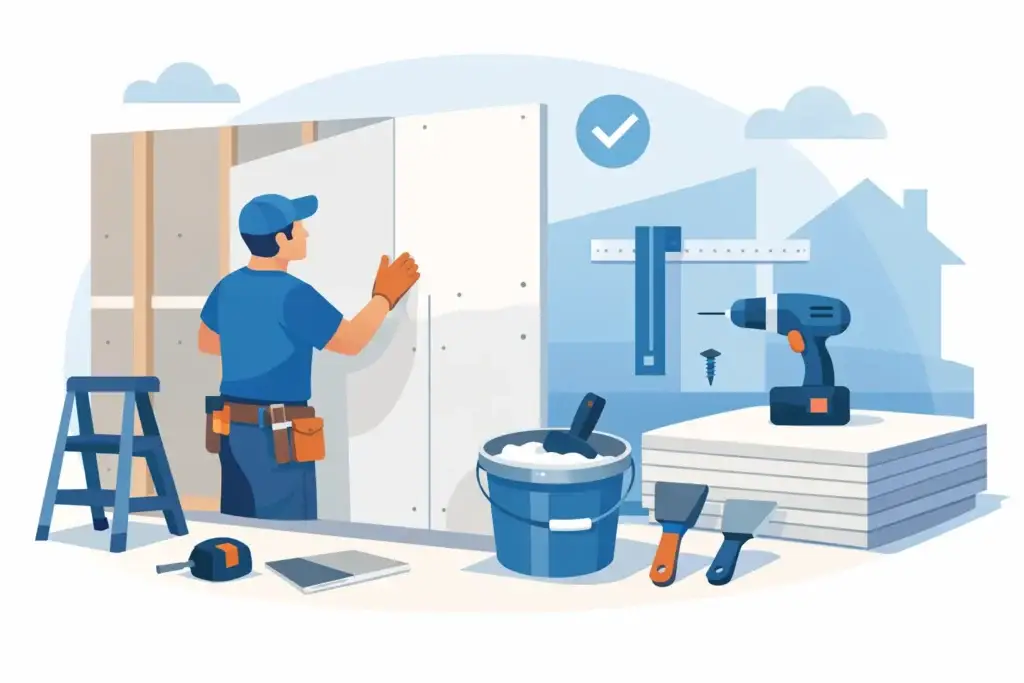
A wall can look straight from across the room and still tell on itself the moment paint goes on. Seams show. Corners crack. Fasteners pop. Texture turns uneven under natural light. That is why drywall installation matters more than most people expect. It is not just about covering framing. It is about creating a clean, durable surface that holds up in daily use and looks right when the job is finished.
For homeowners, that can mean the difference between a remodel that feels polished and one that always seems slightly unfinished. For builders, contractors, and property managers, it affects schedules, callbacks, and the final standard of the project. Good drywall work saves time later because it reduces repairs, touch-ups, and frustration.
What quality drywall installation really includes
A professional drywall installation starts long before the first sheet is hung. The framing needs to be checked for alignment, spacing, and any obvious issues that could telegraph through the finished wall. If the framing is off, drywall will not hide it for long. It may install faster in the moment, but the finished surface can end up wavy, cracked, or difficult to finish cleanly.
Material selection also matters. Different spaces call for different drywall products. Standard drywall works well in many interior rooms, but moisture-prone areas may need a more appropriate board. In commercial spaces or shared walls, fire-rated assemblies may be part of the specification. The right choice depends on the room, the building requirements, and the long-term use of the space.
Once materials are on site, layout becomes a big part of the job. Experienced crews think ahead about seam placement, cutouts, corner transitions, and how the finished wall will look after tape, mud, texture, and paint. That planning helps reduce weak spots and keeps the final appearance more uniform.
Why drywall installation can go wrong
Many drywall problems start with rushing. Sheets get hung without enough attention to fastening patterns, edge support, or fit around openings. A gap that looks minor during hanging can become a visible finishing issue later. Overdriven screws can weaken holding power. Poorly placed seams can create stress points that show up over time.
Finishing is another area where shortcuts become obvious. If joints are not taped correctly, if coats are applied unevenly, or if sanding is inconsistent, the wall may look acceptable under jobsite lighting and then look rough in daylight. Smooth walls are especially unforgiving. Texture can help hide minor variation, but it cannot fix poor base work.
Humidity, temperature, and scheduling also play a role. Mud needs proper drying time between coats. If the job is pushed too fast, the finish can shrink, crack, or require extra repair before painting. In Oklahoma, where seasonal changes can be significant, understanding jobsite conditions is part of doing the work right.
Drywall installation for homes versus commercial spaces
Residential and commercial drywall installation share the same basic goal, but the expectations on site can be different. In a home, the focus is often on appearance, clean work areas, and minimizing disruption to the household. Homeowners want walls and ceilings that look finished, feel solid, and blend naturally with the rest of the house.
In commercial settings, timing and coordination tend to carry more weight. Crews may need to work around other trades, follow tighter construction schedules, and meet project specifications with consistency across multiple rooms or units. There is less room for delays, and communication matters just as much as craftsmanship.
That is why experience across both types of projects matters. A reliable crew knows when a job calls for speed, when it calls for extra protection and cleanup, and how to keep work moving without sacrificing the finish.
What to expect during a professional drywall installation
The process should feel organized from the beginning. A good contractor starts with a clear assessment of the scope, whether that is new construction, an addition, a remodel, or replacing damaged sections. Measurements, material needs, access, and finish expectations should all be discussed upfront so there are fewer surprises once work begins.
Prep work comes next. That may include protecting floors, confirming framing readiness, staging materials, and coordinating with electrical, plumbing, or HVAC work if the walls are still open. On a remodel, it may also mean careful demolition and debris removal before new drywall goes in.
After hanging, the finishing stage usually takes longer than clients expect, and for good reason. Taping, coating, drying, sanding, and texture all build on one another. Trying to compress that timeline too much usually hurts the result. A dependable contractor will set realistic expectations instead of promising a finish date that does not match the actual work.
Cleanliness is another sign of a professional operation. Drywall can be messy, especially during sanding, but that does not mean the site should feel unmanaged. Containment, cleanup, and respectful jobsite habits make a real difference, particularly in occupied homes and active commercial properties.
How to judge the quality of drywall installation
The best drywall work often does not call attention to itself. Walls look even. Corners feel sharp and clean. Ceilings do not show ridges or shadows where joints run underneath. Once paint is on, the surface should look consistent under both artificial light and natural light.
You can also judge quality by durability. Do corners hold up in high-traffic areas? Are there signs of screw pops or cracking near seams? Does the finish remain stable through seasonal changes? A good result is not only smooth on day one. It stays dependable over time.
Communication is part of quality too. Clients should know what finish level is being delivered, whether texture is part of the plan, and what timeline is realistic for each phase. Misunderstandings often happen when those details are left vague.
Common decisions that affect the final result
One of the biggest choices is smooth finish versus texture. Smooth walls can look sharp and modern, but they require more precision and are less forgiving of imperfections. Texture can add character and help mask minor surface variation, but the style needs to fit the space and be applied consistently.
Repairs versus full replacement is another common question. In some cases, patching damaged drywall makes sense and keeps costs down. In other situations, especially where there is widespread damage, poor previous work, or major remodeling, full replacement gives a cleaner and more lasting result. It depends on the condition of the existing wall and the goals of the project.
There is also the matter of timing other trades. If painting, trim, flooring, or cabinet installation are part of the same project, drywall needs to be scheduled correctly so no one is working on top of unfinished surfaces. Coordination helps protect the quality of the work and keeps the job moving.
Choosing a drywall installation contractor
Price matters, but it should not be the only measure. A low bid can become expensive if it leads to delays, visible flaws, or repair work after the fact. When comparing contractors, it helps to look at responsiveness, clarity, jobsite professionalism, and whether the scope is explained in plain terms.
A dependable company should be able to talk clearly about materials, process, finish expectations, and scheduling. They should show that they understand both the appearance side of drywall and the practical side of keeping a project on track. That balance matters for a homeowner updating one room and for a contractor managing an entire build.
For clients across the Oklahoma City area, KCS Drywall builds trust the old-fashioned way – by showing up, communicating clearly, and doing clean, consistent work that holds up.
Drywall is one of those trades that affects everything around it. Paint looks better on a well-finished wall. Trim fits cleaner. Renovated rooms feel complete. When the installation is handled with care from the start, the rest of the project has a much stronger foundation.