A wall can look solid from across the room and still show every patch, seam, and texture flaw once the light hits it. That is usually when homeowners start asking, what is skim coating, and is it the right fix for their walls or ceilings.
Skim coating is a drywall finishing method that applies a very thin layer of joint compound over a surface to create a smoother, more uniform finish. It is often used on damaged drywall, heavily textured walls, old repairs, or surfaces that need to look clean before painting. The goal is not to rebuild the wall from scratch. The goal is to improve the finish so the surface looks even, consistent, and ready for primer and paint.
For a lot of homes and commercial spaces, skim coating is the difference between a room that looks patched together and one that looks finished properly. It is especially useful when the wall is structurally sound but cosmetically rough.
What is skim coating used for?
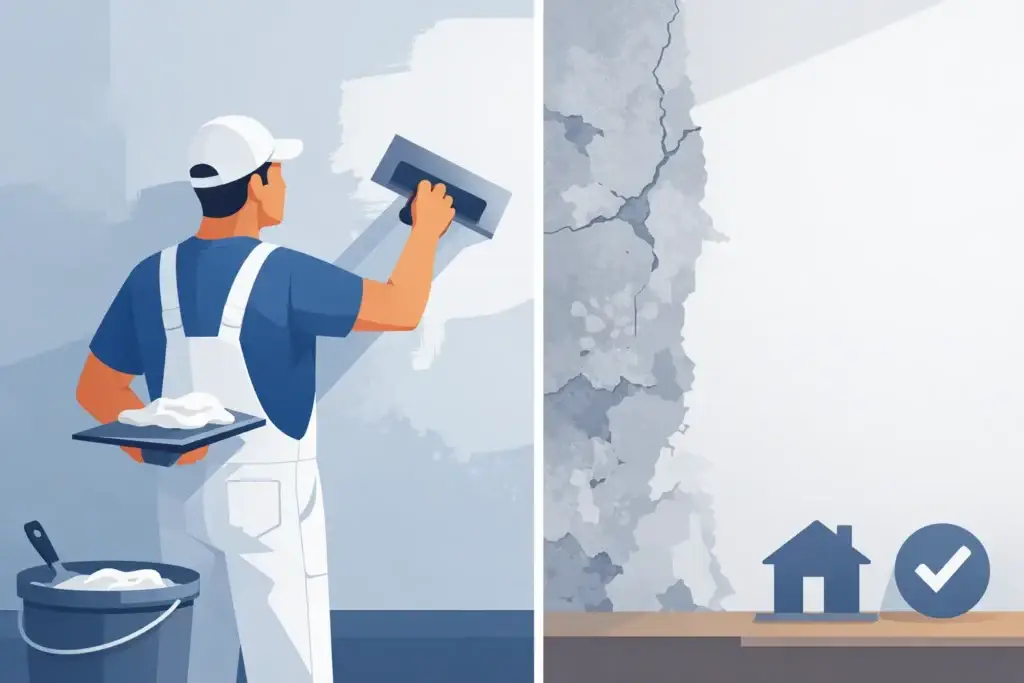
Skim coating is usually recommended when the surface has widespread visual issues rather than one isolated hole or crack. If a wall has old texture, joint compound ridges, uneven repairs, torn drywall paper, nail pops, minor dents, or visible tape lines, a skim coat can help bring everything back to a consistent plane.
It is also common in remodels. When popcorn texture is removed from a ceiling, or when wallpaper comes off and leaves damage behind, the surface underneath often needs more than a quick patch. In those cases, skim coating helps create a clean slate.
This method can be used on drywall, existing painted surfaces, and sometimes plaster, depending on the condition of the substrate. The condition matters. If the wall has moisture damage, crumbling material, or movement-related cracking, those problems need to be repaired first. Skim coating is a finish solution, not a structural repair.
How skim coating works
The process sounds simple, but good results depend on prep, product control, and experience. A contractor starts by checking the surface for loose material, damage, peeling paint, or anything that could affect adhesion. The area may need sanding, scraping, patching, or sealing before the skim coat goes on.
Once the wall is ready, a thin layer of joint compound is spread across the surface with a drywall knife or trowel. Depending on the wall and the level of smoothness needed, one coat may be enough, but two or more coats are common. Each coat has to dry fully before the next step. After that, the surface is sanded and refined until it is smooth and ready for primer.
That last part matters. A skim-coated wall is not truly finished until it is properly primed and painted. Primer helps seal the new compound and creates an even base so the final paint looks consistent.
What is skim coating compared to patching?
Patching and skim coating are related, but they solve different problems. Patching is a targeted repair. It deals with specific damage like holes, cracks, dents, or cutouts. Skim coating is broader. It addresses the overall appearance of the wall.
If you have one doorknob hole, patching is probably enough. If you have years of repairs, texture mismatch, visible seams, and rough spots all over the room, patching alone may still leave the wall looking uneven. That is where skim coating makes more sense.
In many projects, both are used together. The damaged areas get repaired first, then the whole wall gets skim coated so the finish blends properly.
When skim coating is worth the cost
Not every wall needs it. That is where honest evaluation matters.
Skim coating is usually worth it when the room will benefit from a smoother, more updated finish and the wall has enough surface flaws to show through paint. It is also a smart choice when lighting makes imperfections stand out, especially in hallways, living areas, offices, and rooms with large windows.
It can add value in a few common situations. One is covering outdated texture for a cleaner, more modern look. Another is preparing walls after wallpaper removal. A third is correcting a wall that has been repaired many times over the years and no longer looks consistent.
The trade-off is labor. Skim coating takes time, especially if multiple coats, drying time, and sanding are involved. For a small area, a direct repair may be more cost-effective. For larger walls or ceilings with widespread issues, skim coating often delivers better long-term results.
What kind of finish should you expect?
A properly skim-coated surface should look smooth, flat, and uniform once it is primed and painted. That does not mean every wall becomes perfectly flawless under every light condition. The age of the home, framing movement, substrate condition, and existing wall quality all play a role.
That said, a professional skim coat should noticeably reduce visible texture, hide old repairs, and improve the overall appearance of the space. Paint usually looks better on a skim-coated surface because the wall absorbs and reflects light more evenly.
The quality of the final result depends heavily on surface prep and application technique. Rushing the work, applying the compound too thick, or skipping proper sanding can leave lines, ridges, or flashing under paint. This is one reason the job often looks easier than it is.
DIY skim coating vs hiring a professional
Some homeowners consider doing it themselves, especially in a smaller room. That can work if the wall is in decent shape, the expectations are realistic, and there is time to practice. But skim coating has a learning curve.
The challenge is not just spreading mud on a wall. It is doing it evenly, managing edges, avoiding heavy build-up, keeping dust under control, and knowing when the surface needs another pass. A wall may look acceptable before primer, then show every lap mark once paint goes on.
For large rooms, ceilings, high-visibility spaces, or commercial properties, professional application usually saves time and produces a cleaner finish. That is especially true when the project is part of a remodel and needs to stay on schedule. Companies like KCS Drywall handle this type of work with the prep, tools, and finish standards needed to get a surface ready for paint the right way.
Common situations where skim coating helps
Older homes often benefit from skim coating because years of repairs can leave walls with uneven texture and inconsistent paint sheen. You may also see it after electrical or plumbing updates, where multiple access points were patched but the wall still does not look uniform.
In commercial spaces, skim coating is often used to refresh offices, retail interiors, and tenant build-outs without replacing all the drywall. If the boards are still sound, refinishing the surface can be a practical way to improve appearance without a full tear-out.
It is also useful before a high-end paint finish. Dark paint colors, satin sheens, and strong natural light tend to reveal more flaws. If the wall needs to look clean and consistent, surface preparation matters just as much as the paint itself.
What skim coating will not fix
This is where expectations need to stay realistic. Skim coating will not solve active leaks, loose drywall, mold issues, major framing movement, or severe wall damage. If a ceiling stain is coming from a current roof leak, or if a crack keeps reopening because the substrate is shifting, the root cause has to be fixed first.
It also will not always be the best option for heavily damaged surfaces. In some cases, replacing sections of drywall is faster and more reliable than trying to skim over extensive failure. A good contractor will tell you when repair makes sense and when replacement is the better investment.
Is skim coating right for your project?
If your walls are sound but look tired, rough, or uneven, skim coating may be the right next step. It is one of the best ways to improve the look of a room without a full demolition, especially when the problem is finish quality rather than structure.
The key is matching the method to the condition of the surface. Some walls only need spot repairs. Others need a full skim coat to look right under paint. A quick walk-through with an experienced drywall professional can usually tell the difference.
When the job is done well, skim coating does more than cover flaws. It gives the room a cleaner foundation, helps paint perform better, and makes the whole space feel more finished. If you are looking at your walls and noticing every imperfection, that is usually a sign the surface needs more than another coat of paint.