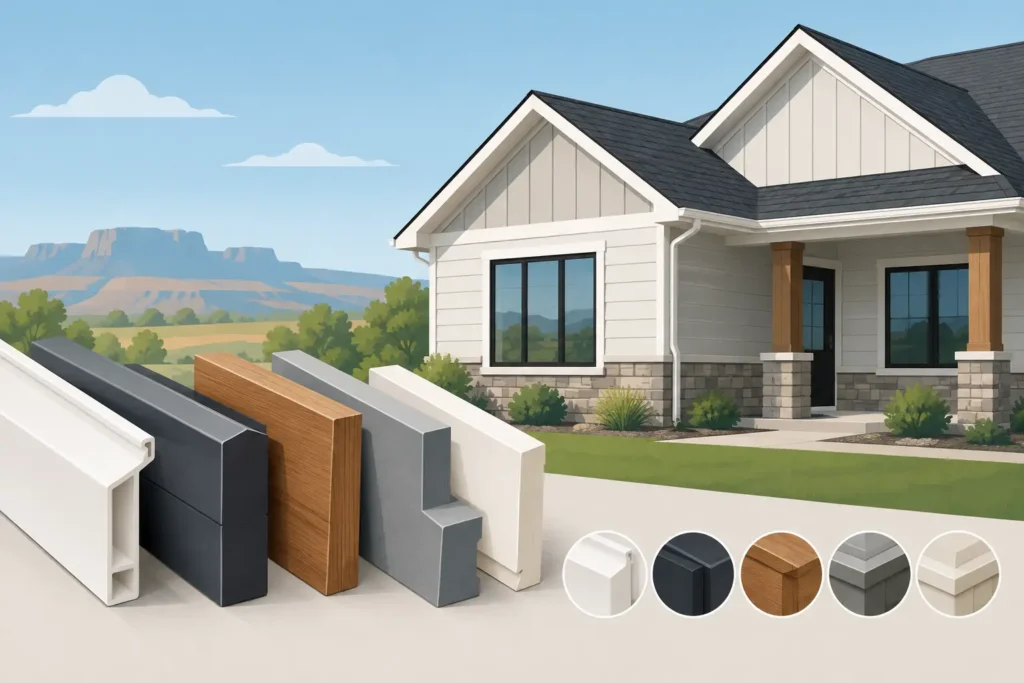
Exterior trim does more than frame windows, doors, rooflines, and corners. It seals vulnerable edges, supports a finished paint job, and gives a home its clean, well-maintained appearance. Choosing the best exterior trim materials matters even more in Oklahoma, where intense sun, wind-driven rain, humidity, hail, and seasonal temperature changes can expose weak products quickly.
The right choice depends on where the trim will be installed, how much maintenance you are comfortable handling, the style of the property, and the condition of the surrounding siding. A material that works well under a covered porch may not be the best fit for fascia near a roofline or trim around frequently wet windows.
What Makes the Best Exterior Trim Materials?
A good trim material should hold its shape, resist moisture, accept paint well, and stand up to normal impacts without becoming an ongoing repair project. It also needs to be installed correctly. Even premium trim can fail when joints are left unsealed, flashing is missing, fasteners are installed improperly, or paint is neglected.
For Oklahoma homes, moisture resistance and dimensional stability deserve close attention. Wood that swells and shrinks repeatedly can split paint and open joints. Materials that resist rot and insects can reduce future maintenance, but they may cost more upfront or require specific installation methods.
Appearance matters, too. Historic homes, traditional brick houses, modern farmhouses, and commercial properties do not all call for the same profile or finish. The best material is the one that protects the building while fitting the architecture and the owner’s long-term maintenance plan.
Wood Trim: Classic Appearance With Ongoing Care
Wood remains a popular option because it offers a natural look that is difficult to duplicate. It can be milled into detailed profiles, repaired in sections, and painted in virtually any color. For older homes or projects where authentic architectural detail matters, quality wood trim can still be the right solution.
The trade-off is maintenance. Exterior wood is vulnerable to rot, insect activity, peeling paint, and movement caused by changing moisture levels. End cuts, horizontal surfaces, and areas near gutters or rooflines are especially susceptible when water is not managed correctly.
Not all wood performs the same. Rot-resistant species and properly primed boards hold up better than low-grade lumber, but they still need careful preparation and regular repainting. Wood is often best for homeowners who value its character and are prepared to keep up with inspections, caulking, and paint maintenance.
Fiber Cement Trim: Durable and Well-Suited to Painted Homes
Fiber cement trim is one of the strongest all-around choices for many Oklahoma properties. Made from cement, sand, and cellulose fibers, it resists rot, insects, and fire better than traditional wood. It also creates a solid, clean look that pairs naturally with fiber cement siding, painted brick, and many exterior styles.
For homeowners who want a painted finish with less concern about decay, fiber cement is a practical option. It does not absorb moisture like untreated wood, and it remains stable through changing weather conditions when installed and painted according to manufacturer requirements.
Its weight is the main consideration. Fiber cement is heavier than wood alternatives and requires proper handling, cutting equipment, fasteners, and clearance from roofing and grade. Installation should be precise, particularly at joints and edges. A poor installation can still lead to cracking, water intrusion, or finish problems.
Fiber cement is a strong fit when durability and a traditional painted appearance are top priorities. It is especially useful for exterior repairs where existing siding or trim needs a dependable, long-lasting replacement.
PVC Trim: Excellent Moisture Resistance
PVC trim is a cellular plastic product designed for exterior use. It will not rot, attract termites, or absorb water, making it especially useful in locations exposed to repeated moisture. Window surrounds, door trim, rake boards, corner boards, and areas near gutters can all benefit from PVC’s water resistance.
PVC is also lightweight and easy to cut compared with fiber cement. It typically arrives with a smooth white finish and can be painted with compatible exterior paint when a custom color is desired. Because it has no wood grain, it works particularly well for clean, crisp trim details on newer homes.
The material does expand and contract with temperature changes, so installers must allow for movement at joints and follow manufacturer spacing guidelines. Dark paint colors may require products specifically rated for deeper shades because heat buildup can increase movement. PVC can also cost more than basic wood, though reduced maintenance may balance that cost over time.
For areas where rot has been a repeated problem, PVC is often one of the best exterior trim materials available. It is not always the most traditional-looking choice, but it is highly practical where moisture protection comes first.
Engineered Wood Trim: A Balanced Option for Cost and Appearance
Engineered wood trim is manufactured from wood strands or fibers combined with resins and protective overlays. Many products are designed to provide the look and workability of wood while improving resistance to moisture, fungal decay, and insect damage.
This material can be easier to install than fiber cement and may cost less than PVC in some applications. It is also available in textured styles that coordinate well with engineered wood siding or homes that need a more natural wood-grain appearance.
Performance depends heavily on product quality and installation details. Cut edges must be sealed, boards need proper clearance from soil and roofing, and damaged coatings should be repaired promptly. Engineered wood is not a maintenance-free product, but it can be a sensible middle ground for property owners who want the appearance of wood without choosing solid wood for every exterior detail.
Aluminum and Composite Trim for Specific Uses
Aluminum trim is commonly used as a protective wrap over wood fascia, soffits, and window trim. It can reduce paint maintenance and provides a clean, finished appearance. However, aluminum can dent from impacts and may not suit every design, particularly where substantial decorative profiles are needed.
Composite trim products vary by manufacturer but generally combine synthetic and wood-based components. Some offer strong moisture resistance and consistent dimensions, while others are designed primarily for specific siding systems. Before selecting a composite product, confirm how it performs in direct sun, whether it can be painted, and what installation requirements apply.
These options can work well, but they should be selected based on the specific exterior condition rather than simply choosing the newest product on the shelf.
How to Choose Trim for Your Home or Property
Start by looking at the problem you are trying to solve. If existing boards are soft, swollen, or repeatedly peeling around windows, moisture resistance should lead the decision. If your goal is restoring detailed trim on an older home, wood or a high-quality engineered alternative may make more sense.
Consider these four factors before making a final selection:
- Exposure: Roofline trim, window sills, garage doors, and areas near gutters face different levels of water and sun.
- Maintenance expectations: Wood needs more regular attention, while PVC and fiber cement generally reduce rot-related repairs.
- Existing exterior materials: New trim should complement the siding, brick, paint system, and architectural style.
- Installation quality: Flashing, caulk, fasteners, priming, and paint are as important as the board itself.
For commercial properties and rental homes, long-term maintenance costs often carry more weight than historic detail. Fiber cement or PVC may reduce service calls in high-exposure areas. For a custom residence, it may be worth combining materials, such as using wood for protected decorative elements and PVC for vulnerable window and fascia details.
Installation and Painting Make the Difference
Exterior trim is only as durable as the system around it. Water should be directed away from trim with proper roof drainage, flashing, and drip edges. Trim should not sit directly against soil, roofing, or standing water. Gaps at windows and doors need correct sealing without blocking drainage paths.
Painting is equally important for materials that require a finish. Quality exterior primer and paint help protect wood and fiber cement from moisture and ultraviolet exposure. Caulk should be flexible, paintable, and used only where joints are designed to be sealed. Cracked caulk, peeling paint, and soft trim are early warnings that should be addressed before water reaches the framing behind the exterior surface.
A professional inspection can help identify whether damage is limited to the trim or whether there is a larger issue involving siding, flashing, framing, or water management. KCS Drywall approaches exterior repair work with the same attention to clean workmanship and durable finishing that homeowners expect inside their homes.
The best material is the one that fits your property’s exposure, design, and maintenance needs, then gets installed with care. A well-planned trim repair today can protect the exterior, sharpen curb appeal, and prevent a small visible issue from becoming a larger repair later.