
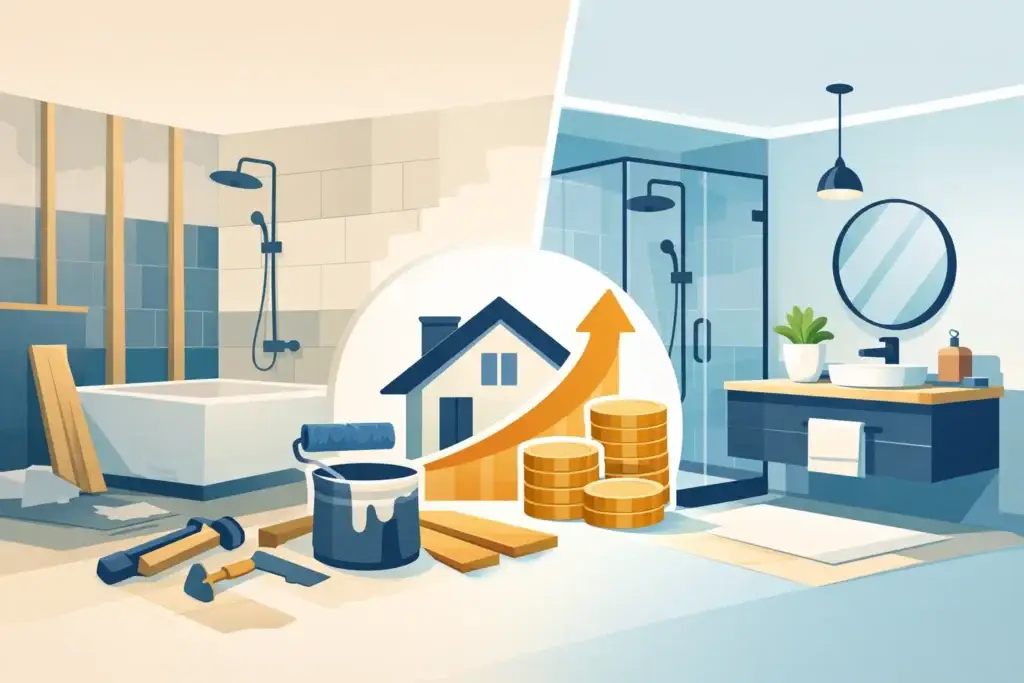
A bathroom usually gets your attention when it stops working well. Maybe the layout feels cramped, the storage is never enough, the paint is peeling, or the finishes look twenty years older than the rest of the house. Bathroom remodeling is not just about replacing tile and picking a new vanity. Done right, it fixes daily frustrations, improves durability, and makes the space easier to live with for years.
For Oklahoma homeowners, that matters. Bathrooms handle constant moisture, heavy use, and a lot of wear in a relatively small footprint. Small problems can turn into expensive repairs if they are ignored, and rushed cosmetic updates often miss the real issues underneath. A good remodel starts with function, then builds the look around it.
What bathroom remodeling should accomplish
The best bathroom remodeling projects solve practical problems first. A nicer mirror or a trend-forward faucet can help the room feel updated, but those details should support a better space, not distract from one that still does not work.
In most homes, the biggest wins come from improving layout, storage, lighting, ventilation, and surface durability. If the room feels dark, crowded, or hard to clean, those are signs the remodel should go deeper than cosmetics. Homeowners often start by saying they want a more modern bathroom, but what they really want is a bathroom that feels cleaner, functions better, and holds up to everyday use.
That is why planning matters. The right choices depend on how the bathroom is used. A hall bath for kids needs different priorities than a primary bath or a guest bathroom. One may need more storage and tougher finishes. Another may need a larger shower, better lighting, or accessibility improvements. There is no single right formula. The right remodel fits the people using the space.
Where bathroom remodeling delivers the biggest payoff
Some upgrades consistently make a bathroom feel better without overcomplicating the project. One of the most effective is improving the vanity area. A well-sized vanity with useful drawer storage can change the whole room. It clears clutter, makes mornings easier, and gives the bathroom a more finished look.
Showers are another high-impact area. Many older bathrooms have undersized shower stalls, dated surrounds, or tubs that rarely get used. Reworking that area can make the room feel larger and more comfortable, but it also takes careful planning. Waterproofing, wall prep, and finish installation all need to be done correctly. A bathroom can look great on day one and still fail early if the work behind the surface is rushed.
Lighting is often overlooked, even though it affects the space every day. Harsh overhead light or a dim fixture over the mirror can make a bathroom feel dated no matter how new the finishes are. Better lighting placement improves visibility and gives the room a cleaner, more polished feel.
Then there are the surfaces people do not always think about until they start failing. Drywall, paint, trim, and texture need to hold up in a moisture-heavy environment. This is one place where workmanship shows. Clean finishing, proper prep, and the right materials make the difference between a bathroom that stays sharp and one that starts showing wear too soon.
Cosmetic updates vs. full bathroom remodeling
Not every bathroom needs to be taken down to the studs. Sometimes a focused update is enough. If the layout works, the plumbing is sound, and there is no water damage, you may get strong results from replacing fixtures, updating the vanity, refinishing walls, and installing new flooring or tile.
But some bathrooms need more than a surface refresh. If there are signs of hidden moisture damage, soft spots, failing finishes, poor ventilation, or awkward spacing, a cosmetic remodel can become a temporary fix. It may look better for a while, but the real problems remain.
This is where honest assessment matters. A dependable contractor should help you understand what is worth keeping and what should be replaced now to avoid spending more later. That kind of guidance protects your budget. It is easy to overspend in the wrong places or save money up front only to redo work after a year or two.
How to plan a bathroom remodel without wasting money
A smart remodel starts with clear priorities. Before picking colors or materials, define what is not working in the current bathroom. Is it the lack of storage? An outdated tub? Worn walls and paint? Poor traffic flow? Limited lighting? Once the core issues are clear, the design choices become easier.
It also helps to separate must-haves from nice-to-haves. If your budget needs to stretch, put it toward the pieces that affect daily use and long-term durability. That usually means shower and tub areas, wall preparation, flooring, cabinetry, ventilation, and finish quality. Decorative upgrades can still matter, but they should not come at the expense of the basics.
Material selection should be practical, not just attractive. Bathrooms need surfaces that handle moisture, temperature changes, and constant cleaning. Some finishes look great in a showroom but do not perform as well in a busy household. Others cost more initially but last longer and require less maintenance. The right choice depends on the room, the budget, and how much wear the space will see.
Scheduling is another part of planning that homeowners sometimes underestimate. Bathroom work involves multiple trades, and each stage affects the next. Demolition, framing, drywall, texture, painting, tile, trim, and fixture installation all need to be coordinated. A remodel runs better when the work is organized, the communication is clear, and the jobsite stays clean throughout the process.
Why finish quality matters in bathroom remodeling
Bathrooms are small rooms, which means every detail stands out. Crooked lines, rough texture, poor paint coverage, and sloppy trim work are hard to miss. So are gaps around fixtures and surfaces that were not properly prepped before installation.
This is one reason finish quality has such a big effect on the final result. In a bathroom, clean execution does more than improve appearance. It helps surfaces last longer, clean up easier, and resist the moisture issues that can wear a room down over time.
Drywall and finishing work are especially important in remodels where walls have been opened, patched, or reframed. If that work is not handled well, even expensive fixtures and materials can end up surrounded by rough-looking surfaces. A smooth, properly finished foundation makes everything else look better.
For homeowners in the Oklahoma City area, working with a contractor who understands both remodeling and finish work can simplify the process. KCS Drywall approaches remodeling the same way it approaches drywall and painting – with clean workmanship, dependable scheduling, and attention to the details that make the finished space feel solid and complete.
Common trade-offs homeowners should expect
Every bathroom remodel involves choices. A larger shower may reduce linen storage. Custom features may improve the look but increase lead times or cost. Keeping the existing layout can save money, but moving plumbing may create a better long-term result.
There is also a balance between trend and longevity. Bold tile patterns, highly specific finishes, and statement fixtures can look great, but they may not age as well as simpler selections. If resale matters, it often makes sense to keep the permanent elements more timeless and use accessories or paint to add personality.
Another trade-off is speed versus thoroughness. Everyone wants a project completed quickly, but bathroom remodeling moves best when the work is done in the right order and not rushed past critical steps. Prep, drying time, fit, and finish all matter. Reliable service is not just about moving fast. It is about moving efficiently without cutting corners.
Choosing a contractor for bathroom remodeling
A bathroom remodel can be disruptive, so trust matters. Homeowners want clear quotes, realistic timelines, good communication, and crews who show up when they say they will. They also want the work area respected and the final result done right the first time.
When comparing contractors, look beyond photos. Ask how they handle prep, clean-up, scheduling, and change requests. Ask what parts of the job they self-perform and how they coordinate the rest. Pay attention to whether they explain the process clearly or avoid specifics.
The right contractor should make the project feel manageable, not confusing. You should know what is happening, what comes next, and who to contact if questions come up. That kind of professionalism is not a bonus. It is part of quality work.
Bathroom remodeling works best when it is built around real use, solid materials, and craftsmanship that holds up after the dust settles. If you plan with function first and choose a team that values clean, dependable execution, the finished space will not just look better. It will work better every single day.