
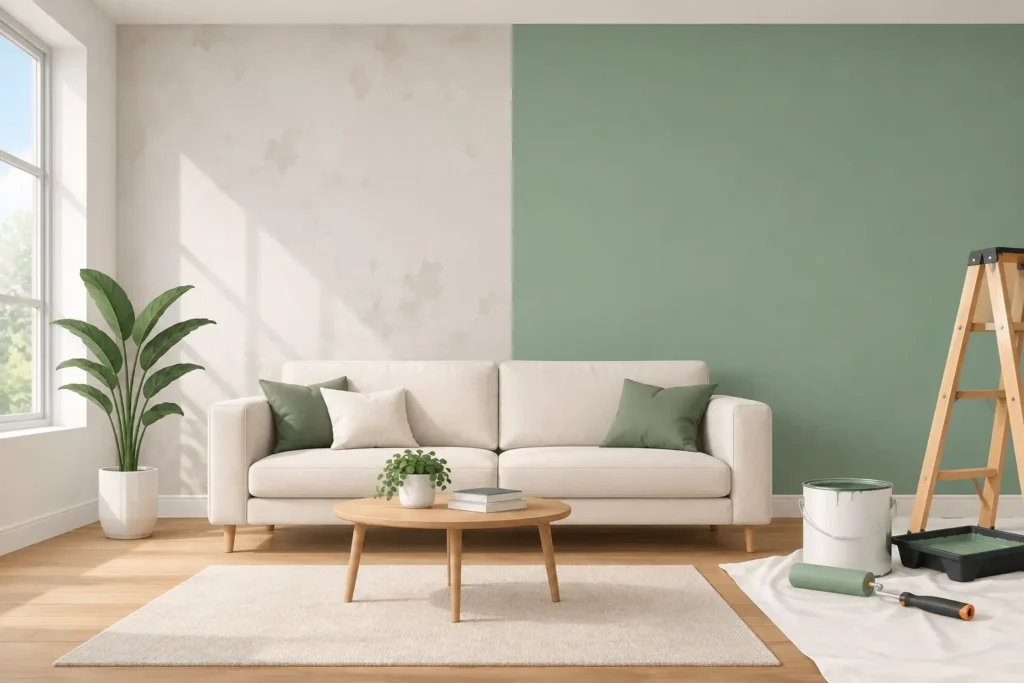
A scuff mark by the hallway corner is easy to ignore. So is the faded patch behind a picture frame or the greasy film building up near the kitchen range. But once those small issues begin to make a room feel worn, homeowners often ask: when should interior walls be repainted? The answer is not always based on the calendar. Paint condition, room use, wall damage, and the quality of the previous paint job all matter.
A fresh coat of paint does more than change a color. It protects drywall, brightens a space, makes cleaning easier, and gives your home the finished look it deserves. Knowing when repainting makes sense can help you plan ahead instead of waiting until the walls are in rough shape.
When Should Interior Walls Be Repainted?
For many homes, interior walls need repainting every five to seven years. That is a useful starting point, not a hard rule. A low-traffic guest room with a quality paint finish may look good for a decade. A busy hallway, child’s bedroom, rental property, or commercial office may need attention in as little as two to three years.
The best time to repaint is when cleaning no longer restores the finish, damage is becoming noticeable, or the room no longer looks as clean and cared for as the rest of the property. Repainting before paint fails completely also makes the job more straightforward. A contractor can address minor repairs and surface preparation before peeling paint, water damage, or damaged drywall turns into a larger project.
Signs Your Walls Are Ready for New Paint
Visible wear is the most obvious sign, but it is not the only one. Look at your walls in natural daylight and with the room lights on. You may notice uneven sheen, dull areas, touch-up patches that no longer blend, or stains that remain after careful cleaning.
Scuffs and handprints are common in entryways, stairwells, halls, and around light switches. A few marks can usually be washed away. When scrubbing leaves faded spots or removes the paint finish, repainting is usually the better solution.
Fading is another common issue, especially in rooms with large windows and strong Oklahoma sunlight. Dark colors, accent walls, and lower-quality paint may fade faster. If the wall color looks noticeably different behind furniture or wall art, a new coat will create a more consistent finish.
Cracking, bubbling, peeling, and flaking paint require a closer look. These problems can result from poor surface preparation, moisture, settling, or prior repairs that were not properly finished. Simply painting over them may hide the problem for a short time, but it will not correct the cause. The damaged areas should be repaired, sanded, primed, and inspected for moisture concerns before new paint goes on.
Room-by-Room Repainting Timelines
Different rooms take different levels of abuse. A practical painting schedule considers how each space is used rather than treating every wall in the house the same.
Kitchens and bathrooms
Kitchens and bathrooms often need repainting every three to five years. Cooking residue, steam, splashes, humidity, and frequent cleaning wear down painted surfaces faster than in other rooms. In bathrooms, peeling paint near showers, exhaust fans, or windows can signal excess moisture or poor ventilation.
A durable, washable finish is especially valuable in these areas. The right paint sheen helps walls stand up to regular cleaning without looking overly glossy.
Hallways, entryways, and stairwells
High-traffic areas commonly need repainting every two to four years. These walls see shoes, bags, pets, moving furniture, fingerprints, and everyday bumps. Because these spaces connect much of the home, worn paint can affect the appearance of the entire interior.
If your entry or hallways look dingy even after cleaning, repainting can make the home feel cleaner and more updated with a relatively simple improvement.
Bedrooms and living rooms
Adult bedrooms and formal living spaces can often go five to eight years between paint jobs, particularly when they receive limited traffic and are painted with quality products. Children’s rooms usually need repainting more often due to marks, stickers, wall art, and changing color preferences.
Living rooms may also need fresh paint sooner if they get a lot of sun exposure or serve as the main gathering place for family and guests. A repaint is a practical upgrade before hosting holidays, putting a home on the market, or completing other remodeling work.
Laundry rooms, utility areas, and garages
These spaces are easy to overlook, but they benefit from durable paint as well. Laundry rooms may have moisture and scuffing around appliances. Utility rooms and garages can collect dust, dings, and stains from storage. Repainting is often needed every four to six years, though active workspaces may need it sooner.
Paint Problems That Should Not Wait
Some wall conditions deserve prompt attention rather than a spot touch-up. Water stains, soft drywall, mold-like discoloration, recurring bubbling, and peeling paint can point to an underlying issue. A roof leak, plumbing leak, condensation problem, or damaged drywall may need repair before any painting begins.
This is where proper preparation matters. A clean paint job starts with stable drywall, repaired seams, smooth patches, and a dry surface. Skipping those steps can lead to flashing, visible repair lines, or paint that fails prematurely.
For homes in the Oklahoma City metro, seasonal humidity, storm damage, and plumbing issues can all affect interior finishes. If staining appears after heavy rain or you notice a ceiling or wall area changing texture, it is wise to have the source identified before repainting.
Why Touch-Ups Do Not Always Work
Touch-ups are useful for small, recent marks when you have the original paint and know the exact sheen. Even then, the result may be visible. Paint changes slightly over time from sunlight, cleaning, and normal aging. The original can of paint may also have settled or been mixed differently than the paint on the wall.
A touch-up is less likely to blend when the wall has a flat finish with heavy traffic, has been scrubbed repeatedly, or has old patches from several previous repairs. In those cases, repainting the entire wall from corner to corner gives a more even result. If one wall is dramatically worn or faded, repainting the whole room may be the best choice for consistent color.
Repaint Before Selling, Renting, or Remodeling
Fresh interior paint is one of the most practical ways to improve a property’s appearance before selling or leasing it. Buyers and tenants notice clean, neutral, well-maintained walls right away. They also notice nail holes, stains, mismatched patches, and dated colors.
For a remodel, painting should generally happen after drywall repairs, texture work, trim installation, and major construction are complete. That sequence prevents unnecessary damage to a newly painted finish. If cabinets, flooring, or lighting are changing, choosing wall colors after those materials are in place can also prevent costly color adjustments later.
Commercial properties benefit from the same approach. Offices, retail spaces, and rental units look more professional when wall finishes are clean and consistent. Scheduling repainting between tenants, during planned maintenance, or before a business opening helps minimize disruption.
What Makes a Repaint Last Longer?
A lasting paint job depends on more than the color selected. Wall cleaning, drywall repair, sanding, caulking, priming, and using the right product for the room all affect the final result. Quality workmanship is especially important around repaired holes, nail pops, seams, corners, and textured surfaces, where rushed preparation tends to show through.
It also pays to choose a finish that matches the room. Flat paint can hide minor imperfections but is less forgiving in busy areas. Eggshell and satin finishes are popular for walls because they offer better cleanability. Kitchens, bathrooms, and high-use spaces may need a more moisture-resistant, washable option.
KCS Drywall approaches painting as a finish system, not just a coat of color. When drywall repairs and paint preparation are handled correctly, the result looks cleaner on day one and holds up better through daily use.
If your walls are stained, faded, damaged, or simply making an otherwise well-kept room feel tired, repainting is a worthwhile investment. Address the surface issues, choose a finish suited to the space, and give the work the preparation it needs. Your walls should make the rest of your home look better, not remind you of the next repair on your list.
https://addlinks.pro/hC1Ib
Ki888, eh? Keen to jump in and try my luck. Fingers crossed for some big wins! Giving it a go now. Find out more here ki888